Our Goal
We’re working to support regenerative agriculture and conservation on 250,000 acres of land by 2030[1]. By the end of 2024, we’ve reached more than 129,000 acres – halfway to our target. By investing in regenerative agriculture and conservation practices, we’re helping farmers build lasting resilience to protect what matters most. Taking care of climate and nature isn’t just good for the planet – it’s essential for our communities, our business and the future we all share.
What Does Regenerative Agriculture Really Mean?
Regenerative agriculture is a way of farming that goes beyond just maintaining the land. It focuses on restoring and improving ecosystems through land management practices such as cover cropping, agroforestry, crop diversity, mulching, chemical reduction and composting, among others. Conservation efforts on land located near farms can also help local ecosystems thrive.
Why It Matters:
A regenerative approach to agricultural production and conservation efforts can create many benefits, such as the potential to mitigate and adapt to climate change, enhance soil health, improve water quality, support resilient landscapes, increase biodiversity and boost farmer livelihoods.
How We’re Making an Impact – One Project at a Time:
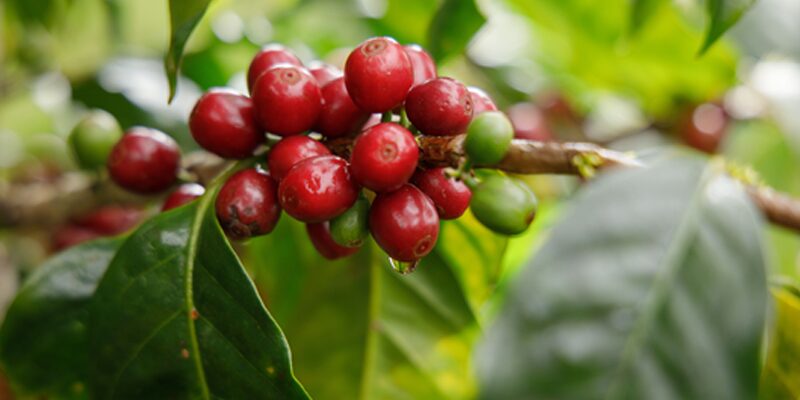
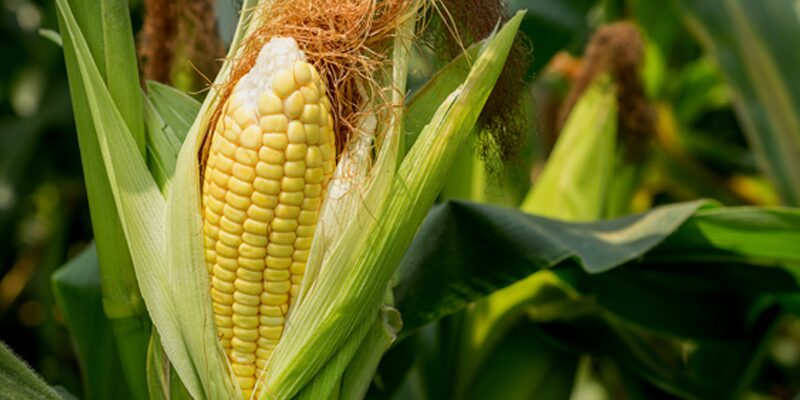
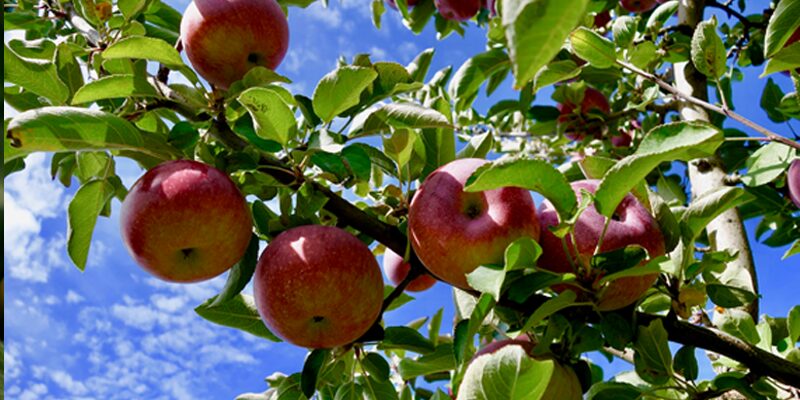
[1] 250,000 acres represents approximately 50% of the land area used to grow the crops in scope for the goal, which include coffee, corn and apple, based on our 2023 purchasing footprint. To measure progress toward our regenerative agriculture and conservation goal, we have developed an outcomes-based methodology outlined in KDP’s Regenerative Agriculture & Conservation Monitoring & Evaluation Guide